
Many of us have embraced the big chop or ditched harsh chemical treatments (creamy crack) for our hair. Hair damage can occur due to various reasons such as over-processing (chemical color and straightening treatments), heat, and environmental damage. Once hair is damaged, it’s difficult to restore its health. This article aims to help you understand your hair’s specific needs and determine how to care for it effectively.
Signs of unhealthy hair include breakage, split ends, lack of elasticity and natural volume, dullness, dryness, and brittleness. With consistent care, you can restore your hair’s health. Identify factors hindering your hair’s health and find products that address your specific concerns. For instance, frizzy, damaged hair needs moisture. Our REST Knot Today Leave-in Detangler locks in moisture and keeps hair hydrated. It also has an easy spray handle.
Do you understand the differences between hair porosity, density, and thickness? Do you know your hair type: straight, curly, or coil pattern? Hair typing involves Type 1, 2, 3, or 4; and A, B, or C classifications. It’s a lot to take in, right?!
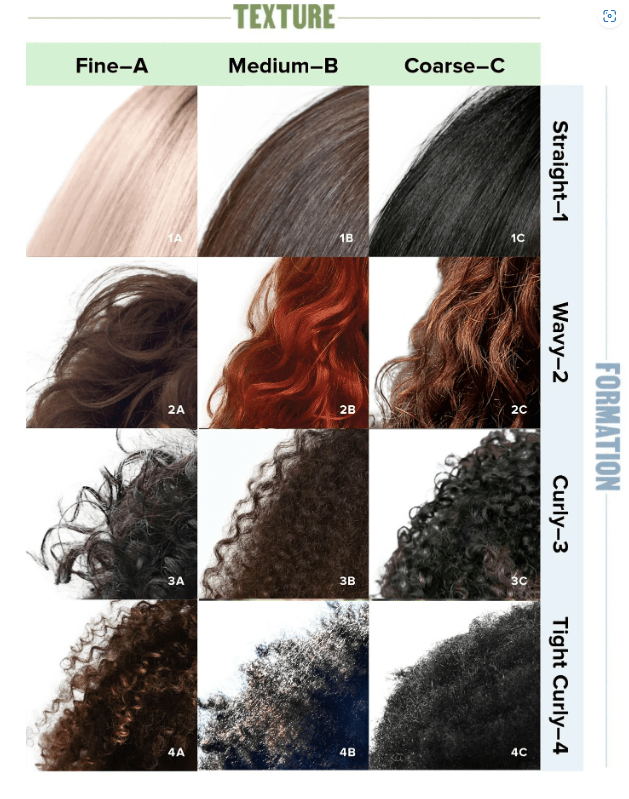
The world of hair encompasses various textures, colors, styles, and wellness needs. Over the years, our understanding of our hair’s needs wants, and terminology has evolved. Porosity, density, texture, and pattern remain essential. We are here to help you understand what your hair needs to look and feel its best! Let’s begin with this chart. What is your hair’s texture and structure?
Porosity refers to how well or poorly your hair absorbs and retains moisture. It is determined by the structure of the hair cuticle, the outermost layer of the hair shaft. Hair with low porosity is considered the healthiest, but it still comes with its own challenges. Understanding your hair’s porosity level is important, as it serves as an indicator of its overall health.

“How can I determine if my hair has high or low porosity?”
To determine your hair’s porosity, take a few clean hair strands from your brush or comb. Put them in a glass of water. Let them sit for a few minutes. If the strands float, you likely have low-porosity hair. If they sink, you probably have high porosity hair.
High porosity hair has more space between the cuticles, making it dry and prone to tangles and breakage. It quickly absorbs water and oils but struggles to retain moisture. To care for high porosity hair, avoid heat and chemical treatments that can further damage the cuticles.
Medium porosity hair is ideal. It allows moisture to penetrate and be retained. This strikes a balance between absorption and retention. It’s less prone to breakage and split ends.
For low-porosity hair, avoid protein treatment conditioners. Low-porosity hair can struggle to absorb products and retain moisture, but it is typically stronger and healthier than high-porosity hair.
“Density and porosity are common terms in the natural hair community. Porosity refers to your hair’s ability to absorb and retain moisture. Density is the number of individual hair strands that grow out of each square inch of your scalp. Density determines whether your hair appears thick or thin and is crucial for understanding your hair’s unique characteristics.”
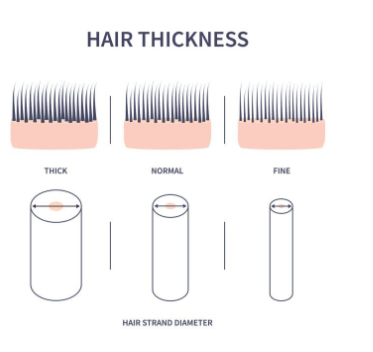
To determine how dense your hair is, you can do a simple mirror test. Grab a large handful of hair and pull it to the side. If you can easily see your scalp, you have a thin hair density. If you can partially see your scalp under your hair, you have medium density. If you can hardly see your scalp, you have thick density.
Hair porosity, texture, thickness, and density are largely determined by genetics. These factors can be influenced by hair care practices and environmental factors.
African American hair has high porosity, which means it can easily absorb moisture but also lose it quickly. This hair type can be more fragile and brittle than other types. It may be drier because its coiled shape makes it difficult for scalp oils to reach the tips.
East Asian hair is typically straight and silky with a fine texture. It has low density and low porosity, making it appear less full than other hair types. It is resistant to moisture and can be harder to penetrate with conditioning treatments. This hair type has a lower level of natural oils compared to other hair types. This can make it more prone to dryness and breakage.
On the other hand, Caucasian hair falls somewhere in between. Around 45% have straight hair. About 40% have wavy hair. And 15% have curly hair. It is typically coarser, thicker, and has higher density. This gives it a more voluminous appearance. However, it also has low porosity. This means it is resistant to moisture.
Latina hair can be found in various forms. It can be straight, wavy, curly, or kinky. This variety is due to the diverse backgrounds of women of Latina descent. The average diameter of Hispanic/Latino hair tends to fall between that of Asian and Caucasian hair. Different porosities require different care, and it’s possible to have different levels of porosity within your own hair.
For example, if you’re transitioning to natural hair, your roots might be low or medium porosity. Your ends might be high porosity.

We have learned that chemical relaxers or perms, excessive heat, and certain hair dyes can change not just the porosity. They can also affect the texture and density of your hair. That said, people of all races and ethnicities can have low porosity hair. Low porosity strands take a decent amount of time to get wet because they repel water. Hence, it might be necessary to do a big chop if harmful products have been used. You may also need to go back to basics.
Use products that will nourish and protect your hair from root to tip. It’s important to know how dense your hair is. You should also understand its porosity and your curl pattern. This information will help determine what products will work best with your hair.
Low-porosity hair should be washed no more than once a week or every two weeks as a general rule. Good shampoo ingredients for low porosity hair include coconut, almond, and avocado. Tea tree, spearmint, and shea butter are also good. Other ingredients are Argan, chamomile, jojoba, aloe Vera, honey, and glycerin. These ingredients help lock in moisture. They strengthen strands and prevent breakage. This includes our REST My Natural Coil Hydrating Shampoo & Conditioner.
For low-porosity hair, it’s best to use a deep conditioning treatment, such as a hair mask, to keep it moisturized. Avoid protein treatments. They may not absorb well into low-porosity hair. They can build up on the hair’s surface, making it stiff and reducing moisture absorption. Make sure your shampoo is free of silicone’s, Parabens, sulfates, and mineral oil. Avoid other harmful substances like those found in the REST My Natural Coil hair care line.
For medium porosity hair, it’s important to use products that are gentle and moisturizing. You should use moisturizing shampoos and conditioners and consider using clarifying products to remove any product build-up. For example, REST My Natural Coil Hydrating Shampoo is recommended for cleansing the hair. Mary’s Mint Dandruff Shampoo also cleanses without stripping it of moisture.
Leave-in conditioners like our Knot Today Detangler work wonders to maintain this balance. Curl cream like our Twist This Cream also helps to maintain it. These products contain oils such as coconut, Argan, or sweet almond oil. This type of hair benefits from both moisture and protein. It’s important to have a good balance of both in your hair care routine.
Managing High Porosity Hair
What products work best on high-porosity hair?
Moisturize, Moisturize, Moisturize
Hydration is key for high-porosity hair. Use leave-in conditioners and hair oils to lock in moisture and prevent water from escaping the cuticles too quickly. Regular moisturizing helps maintain the hair’s elasticity and prevents dryness and frizz. With this hair type, the hair cuticles are highly raised, which absorbs and loses moisture quickly and easily. People with high porosity also need a lot of moisture, but they need to incorporate protein into their routine. Hair is made from a protein called keratin. Using a protein treatment can help fill in the areas in your cuticle that have damaged cells. This can help smooth the cuticles down and create a protective coat over the hair shaft. You want to use sealing products that prevent water from leaving the hair shaft. Using the liquid, oil, and cream method is a fantastic way to do this. This involves hydrating the hair with water. Next, seal it in with oil. Then, smooth the cuticles with a cream. Try using REST Healthy Hair Butter Cream with a few drops of our Hair Growth Oil.
“People with high-porosity hair should try to limit heat and chemical treatments. These can further damage cuticles, making it even harder for your hair to retain moisture and nutrients. Shampoos and conditioners with butters and oils work best to add extra moisture to your hair. You should try REST My Natural Coil Line. If you’re always on the go, try our fantastic-smelling 2 oz travel-size Knot Today Detangler.”
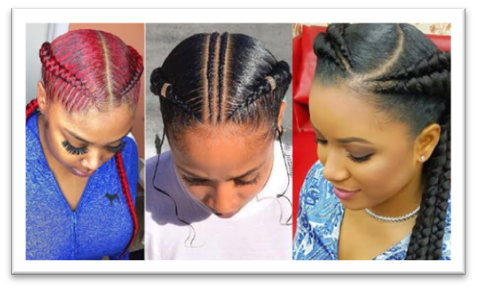
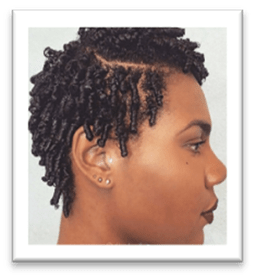
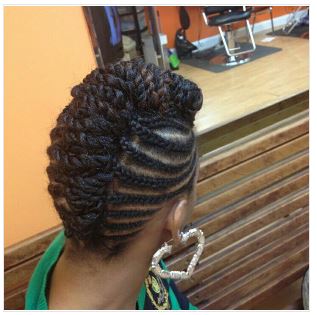
Styling options that are cute, comfortable, and low-tension are great

alternatives for all hair types! Protective hairstyles are those that keep the hair tucked away with minimal manipulation from the weather or environment. Styles such as braids, twists, or updo’s can help minimize exposure to environmental factors. These factors can contribute to damage and breakage. Additionally, when cared for properly, protective styles help retain moisture by reducing friction between strands. Determining a proper hair care routine is essential for managing your hair and its porosity needs. Learning to care for your curls empowers you. You will love your hair even more when it is at its healthiest and most radiant.
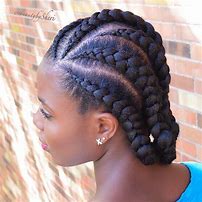


#hairoftheday #hairtutorial #product #natural hair #braid #curlyhairs #hairgoals #fyp
Please😁 Like, Subscribe📬 & Share 🗣
Don’t Be a Stranger! Sign Up and Let’s Be Friends!
Rate this article


Leave a Reply