
Gentle Solutions for Healthier Hairlines
Choosing the right hair glue remover is crucial for effective styling. It is also vital for maintaining the health and integrity of your hairline. When removing bonded hairstyles or extensions, you should prioritize gentle and nourishing options. This can make all the difference in preserving your edges and your confidence. Harsh chemicals or aggressive removal methods often
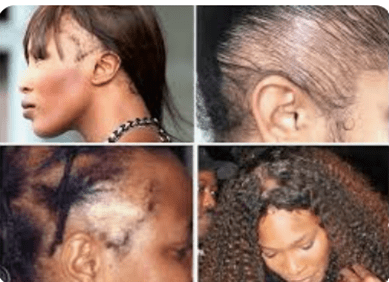
contribute to thinning hair, scalp irritation, and long-term damage, especially for those with delicate or naturally fine hair.
A good starting point is to assess the ingredients of the remover you’re considering. Products containing nourishing oils tend to be gentler. Oils like olive, avocado, or coconut can help protect both your hair and scalp during the removal process.
Rachel’s Exclusive Spa Treatments – A Better For You Solution
Healthier Option Hair Glue Remover
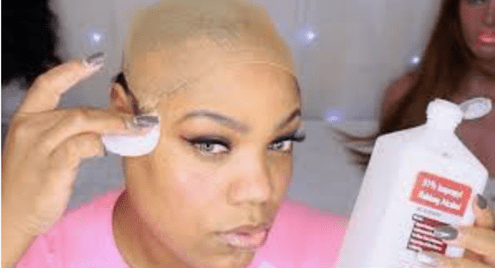
These formulas safely dissolve adhesive bonds. They infuse moisture into the hair shaft. This makes them ideal for sensitive skin and fragile hairlines. On the other hand, removers containing high concentrations of isopropyl alcohol should be used with caution. They can strip away natural oils. This can leave hair dry and brittle.
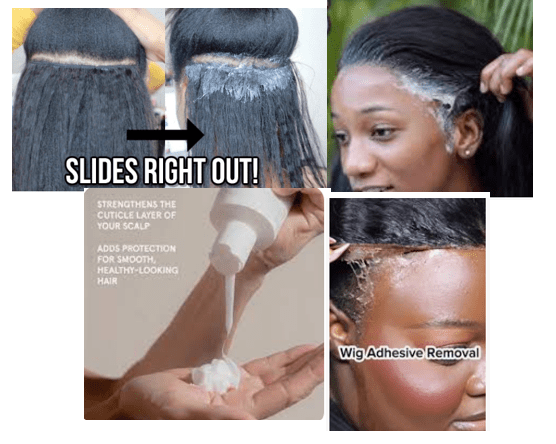
For best results, opt for removers that offer a balance between effective adhesive breakdown and scalp nourishment. Applying gentle pressure and allowing the remover to
Rachel’s Exclusive Spa Treatments – A Better For You Solution Healthier Option Hair Glue Remover
fully saturate the glued area before attempting removal can help prevent unnecessary breakage or pulling. Add scalp-stimulating treatments to your routine. Make sure regular hydration as well. These practices support the recovery and growth of your edges. They guarantee your hair remains healthy and resilient.
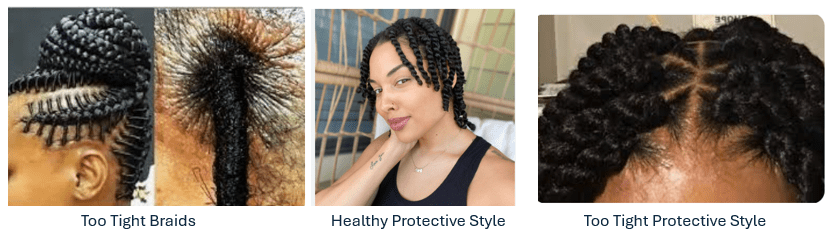
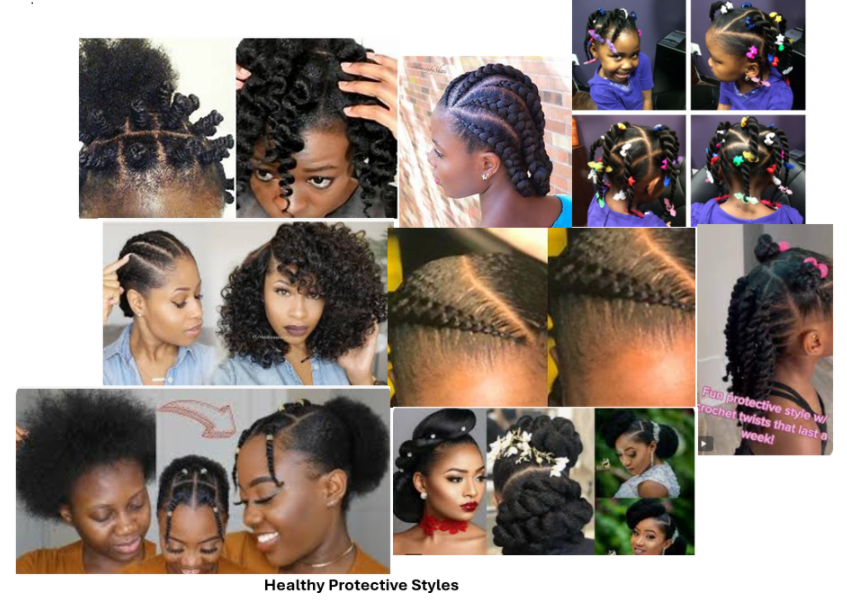
Understanding the link between certain styling practices and the risk of traction alopecia is crucial for maintaining healthy hair.
By choosing gentler methods, individuals can significantly reduce their risk of long-term damage. Periodically giving the hair and scalp time to recover helps preserve the integrity of their hairline.
The repercussions of improper removal or repeated use of glued styles are not to be underestimated. Adhesive residues that remain can traumatize the delicate follicles at the root. If they are harshly pulled away, similar trauma can occur. This trauma sets the stage for persistent thinning or even permanent hair loss. For those with naturally fine or thinning hair, the vulnerability is particularly acute. Even minimal tension can disrupt growth cycles. It can also compromise scalp health.
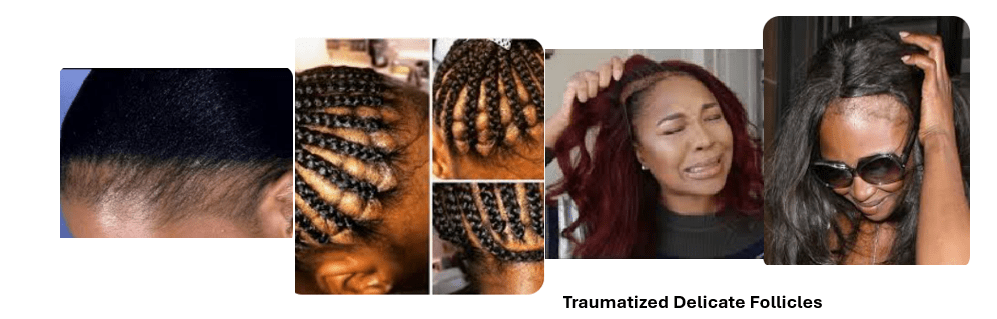
This condition is known as traction alopecia. It is a form of hair loss triggered by persistent tension or pulling on the hair follicles. It frequently appears as thinning or breakage. Bald spots may also develop, most noticeably along the hairline and around the temples. Anyone can experience traction alopecia. However, it is especially common among those who regularly wear styles that exert pressure on the scalp. These styles include tight braids, cornrows, ponytails, or the use of extensions and weaves. Over time, the repeated stress on the follicles can weaken and damage them. Recovery becomes more difficult if the underlying causes aren’t addressed promptly.
Warning: The Dangers of Isopropyl Alcohol in Hair Glue Removers
Isopropyl alcohol is commonly found in many hair glue removers. However, it poses a significant risk to the health of your hair and scalp. This solvent aggressively strips away the natural oils that act as your hair’s primary defense against dryness and brittleness. Without these essential oils, the hair and scalp are left vulnerable. This results in increased dryness, weakened strands, and a greater susceptibility to breakage. Over time, repeated exposure to isopropyl alcohol damages the hair cuticle’s integrity. This makes each strand more prone to split ends and long-term damage.
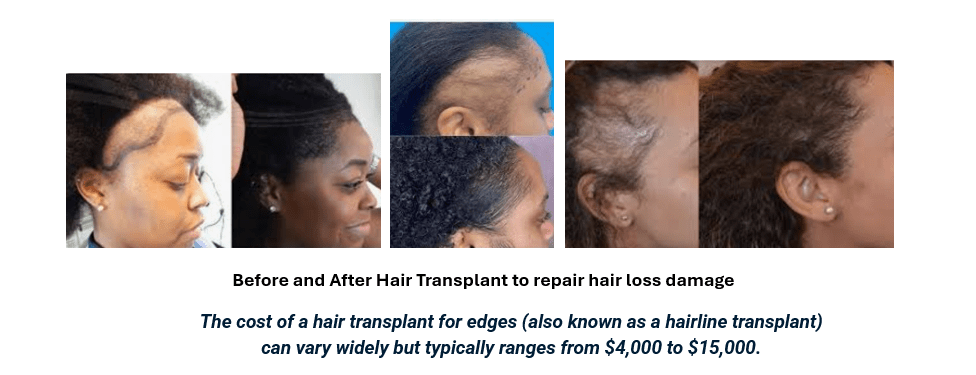
To maintain a healthy hairline, limit the use of products with high concentrations of isopropyl alcohol. This is crucial for having resilient strands. Instead, prioritize gentle, oil-based solutions that dissolve adhesive while preserving the scalp’s protective barrier. This mindful approach helps reduce the risk of thinning, breakage, and the persistent issues linked to repeated chemical exposure.

Let’s explore the distinct ways oil-based and alcohol-based hair glue removers’ work
Oil-based removers
- Mechanism: Oil-based removers work by breaking down the hair glue’s adhesive properties. They do this through saturation and emulsification. This process essentially dissolves the glue’s bond. The oil penetrates and loosens the glue, making it easier to remove from the hair strands.
- Benefits:
- Generally considered gentler on the hair and scalp compared to alcohol-based options.
- It is particularly helpful for removing stubborn glue or glue that is very sticky. This is especially true if the glue has been in the hair for a while.
- Many oil-based removers are also moisturizing, which can be beneficial for dry or curly hair types.
Drawbacks:
- Leave an oily residue behind, requiring thorough shampooing afterward to remove the oil and any remaining glue particles.
- Removal and reapplication may take longer due to the need for washing and potentially multiple applications
Alcohol-based removers
- Mechanism: Alcohol-based removers work by dissolving or neutralizing the adhesive properties of the glue, making it lose its stickiness. They penetrate and break down the glue’s bond, causing it to loosen and detach from the hair.
- Benefits:
- Known for their fast-acting properties, quickly neutralizing the tape adhesive.
- Evaporate quickly and completely, leaving behind zero oily residue, meaning you don’t necessarily have to wash the hair afterward. But this can be helpful when you’re short on time.
Drawbacks:
- It can be drying and potentially irritating to the hair and scalp, especially if used excessively or in high concentrations.
- May require repeat applications, as the alcohol can evaporate before completely dissolving all the residue.
In essence, oil-based removers are generally gentler and better for thorough removal and nourishment. Alcohol-based removers are quicker and ideal for fast removal with less residue. However, they require more caution to avoid dryness and irritation.
Scalp-Stimulating Products and Treatments
Applying hot oil treatments and specialized products to thinning areas or bald spots can support hair regrowth. These treatments help repair hair follicles, reduce further damage along the edges, and encourage new growth.
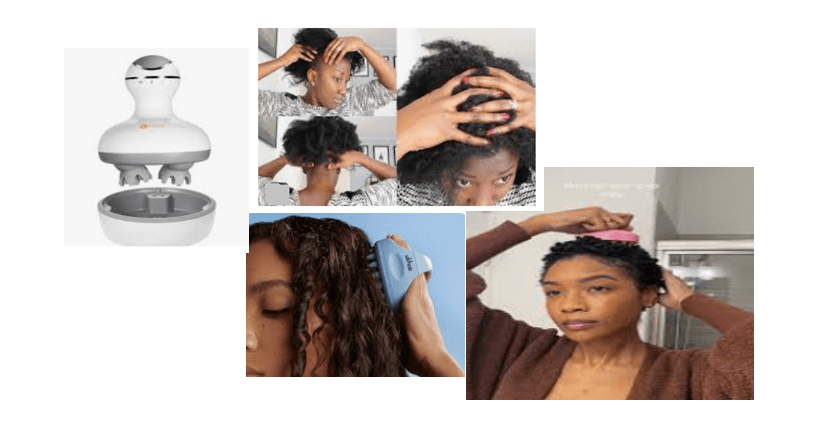
Which Oils Help Restore Edges?
- Jamaican Black Castor Oil & Jojoba Oil: Both stimulate hair follicles, promoting thicker and fuller hair.
- Peppermint Oil & Rosemary Oil: These oils enhance scalp circulation and revitalize hair, supporting a healthy environment for growth.
Conclusion
While hair glue offers an easy way to keep your hair enhancement in place, improper use can pose risks to your scalp and hair health. For a safer and more comfortable experience, consider alternatives. Try hair enhancement tape, combs, or clips. You can also use hair enhancements with secure adjustable straps and elastic bands. Always conduct a patch test before using any adhesive product. If you experience irritation or an allergic reaction, stop using it right away.
Remember, your edges and scalp deserve gentle care and consistent attention. Treat them kindly, listen to your hair’s needs, and embrace the journey to healthier, fuller hair one thoughtful step at a time. You’ve got this!
Hey wait! Before you dash off…Bottom line: Your hair survived hair glue, or strong hairspray or 5X holding gel.
Now treat your hair like the royalty it is crown and all!
It’s essential to follow these steps after removing that glued hair enhancement. Your hair deserves a spa day, too.
Step one: Rejoice! You’ve freed your scalp from the glue’s sticky embrace. Now, it’s time to pamper those locks:
- Deep Condition: Slather on a hydrating conditioner or hair mask like your strands are ordering dessert. Hydration is the main course, honey!
- Be Gentle: Hands off the heavy brushing, your hair just survived a glue break-up. Give it a few days to sing “I Will Survive.”
- Consider a Trim: Got split ends or rough patches? Snip-snip! A trim is like a fresh start after a tough relationship.
- Maintain Scalp Health: Cleanse away any sneaky glue leftovers, and moisturize so your scalp doesn’t throw a tantrum.
- Natural Oils: Show your hair some extra love with Argan, jojoba, or castor oil. Because who doesn’t want their hair to glisten like it’s living its best shampoo commercial life?
#LuxuryCare #BabyHairs #SlayedEdges #HairEdges #naturalhair #HairExtensions #wiglife
Please😁 Like, Subscribe📬 & Share 🗣
Rate this Blog


Leave a Reply