
Many of us have decided to take the plunge with the big chop or kicked those harsh chemical treatments (a.k.a. creamy crack) to the curb. Hair damage can occur unexpectedly. It happens due to over-processing from chemical coloring and straightening. Excessive heat and Mother Nature’s temperament add to the problem. Once your hair is damaged, restoring it can seem daunting. It feels like trying to revive a houseplant after a month of neglect. But fear not! This article is here to help you decode your hair’s quirky needs. You will discover the best care methods. Your hair will thank you for them (eventually).

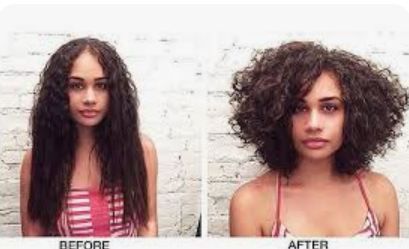
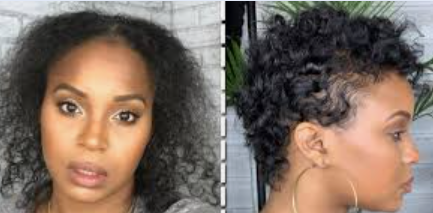
The Big Chop Before & After
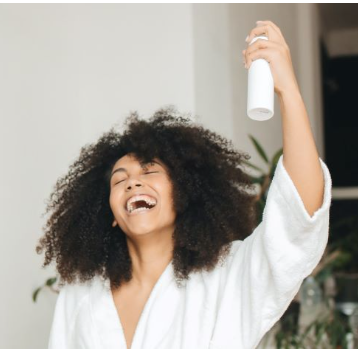
Signs of unhealthy hair are like the red flags of a bad relationship. These signs include breakage, split ends, and lack of elasticity. The volume you have might be more like a deflated balloon. If your locks look dull and feel like brittle straw, it’s time for a hair intervention! Fear not, with some TLC, you can nurse your hair back to fabulousness. Embark on a detective mission. Find out what’s messing with your hair’s vibe. Then, select products that’ll be your hair’s new BFF. For example, if your mane is throwing a frizz fit, it’s basically begging for moisture. Enter our REST Knot Today Leave-in Detangler – it’s like a spa day in a bottle! It locks in moisture, keeps your tresses hydrated, and boasts an easy-peasy spray handle for those lazy days.
Do you get lost in the mysterious world of hair porosity, density, and thickness? And what about your hair type: are you rocking straight, curly, or that wild coil pattern? Welcome to the hair typing universe. We have Type 1, 2, 3, or 4. There are also fancy A, B, or C classifications thrown in for good measure. It’s like a secret code for your head—who knew hair could have a more complicated identity than I do?!
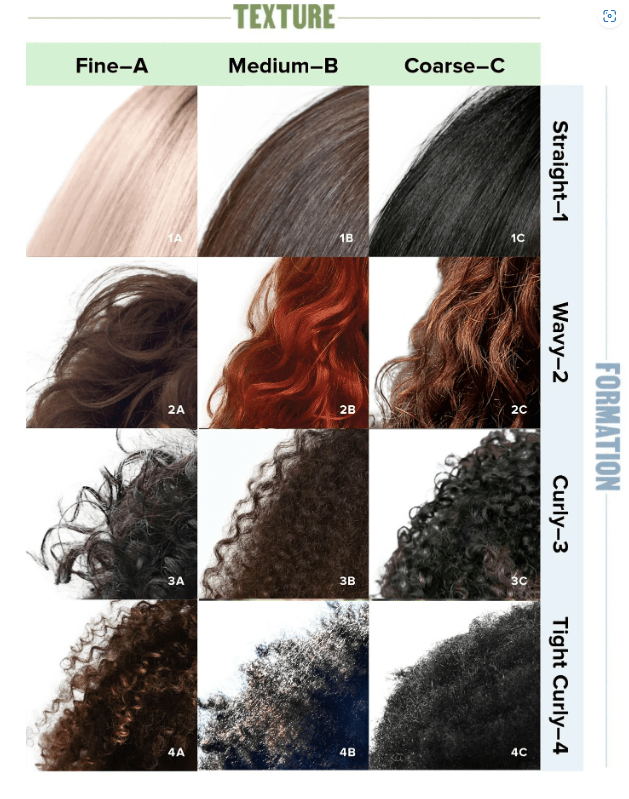
The hair universe is a wild place. It is filled with all sorts of textures, colors, styles, and the occasional “what on earth is that?” wellness need. Over the years, we’ve become hair whisperers, deciphering what our locks truly desire—because, let’s be honest, they’re a bit needy. With porosity, density, texture, and pattern as our trusty companions, we’re ready to embark on this hairy adventure! Buckle up, because we’re about to decode your hair’s secret language. So, what’s your hair’s vibe: stunningly straight, fabulously frizzy, or somewhere in between?
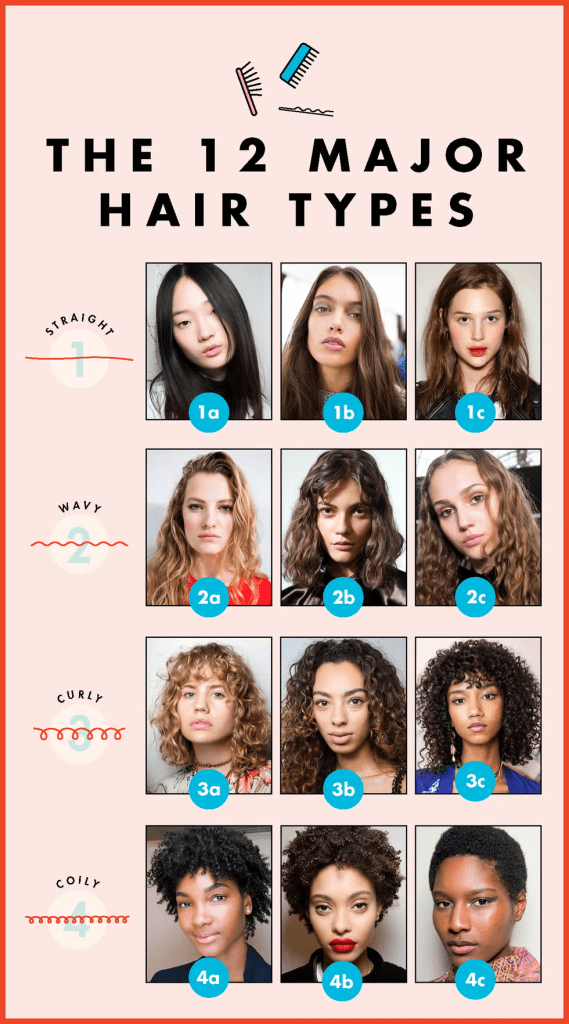
Remember, one person can have a mix of different hair types and structures! Everybody’s hair is different. It’s important to choose products tailored to your needs. Your goal might be to minimize breakage and curl shrinkage. You may also want to reduce frizz or define your locks.
Understanding Porosity
Porosity is like your hair’s ability to do a successful cannonball into a pool of moisture. Unfortunately, some hair just belly flops. It takes forever to soak in the moisture! It’s all about the cuticle’s structure, that fancy outer layer of hair that sometimes acts like a clingy ex. If you’ve got low porosity hair, congratulations. It’s like the healthy avocado of the hair world. Though it might throw a tantrum now and then. Knowing your hair’s porosity level is crucial. It’s basically the hair whisperer telling you how your precious locks are feeling today!
“How can I determine if my hair has high or low porosity?”

To determine your hair’s porosity, begin by grabbing a few clean strands from your brush or comb. Yes, that mess you’ve been avoiding! Next, drop those unruly rebels into a glass of water and let them chill for a few minutes. If they float like they just discovered the joys of a spa day, congratulations, you’ve got low-porosity hair! But if they sink faster than your enthusiasm for Monday mornings, well, my friend, you’re dealing with high-porosity hair!
High porosity hair is like that friend who can’t stop spilling their secrets. There’s just too much space between the cuticles! Unfortunately, this means it dries out faster than a forgotten sandwich at a picnic. This makes it a prime candidate for tangles and breakage. It guzzles up water and oils like it’s at an all-you-can-drink buffet, but good luck keeping that moisture around! To keep your high porosity locks happy, avoid heat and chemical treatments. They are like embarrassing secrets that only make things worse!
Medium porosity hair is like the Goldilocks of hair types—just right! It’s the overachiever that lets moisture in for a refreshing splash. It knows how to hold onto it like a cat clinging to a tree branch. With its perfect balance of absorption and retention, it’s less likely to break. It also resists splitting more than your typical reality TV romance. Who needs drama when your hair can flaunt that flawless flow?
For low-porosity hair, bypassing protein treatment conditioners is akin to avoiding salad at a pizza party—definitely not a wise choice! This hair type is notorious for its selective relationship with products. It often plays hard to get when it comes to absorbing moisture. Meanwhile, it proudly showcases its strength and vitality, leaving those high-porosity divas feeling just a bit envious.
Hair Density
Density and porosity are like the fun sidekicks in the hair world! Think of porosity as your hair’s little sponge. It decides whether it wants to guzzle water or play hard to get. And density? Well, that’s just how many strands are throwing a party on your scalp per square inch! If you’ve got a high-density crowd, your hair is living its best life. It looks all thick and fabulous. If it’s on the low-density side, it might be more of a thin, wispy vibe. Understanding these two is essential for embracing your hair’s unique personality!
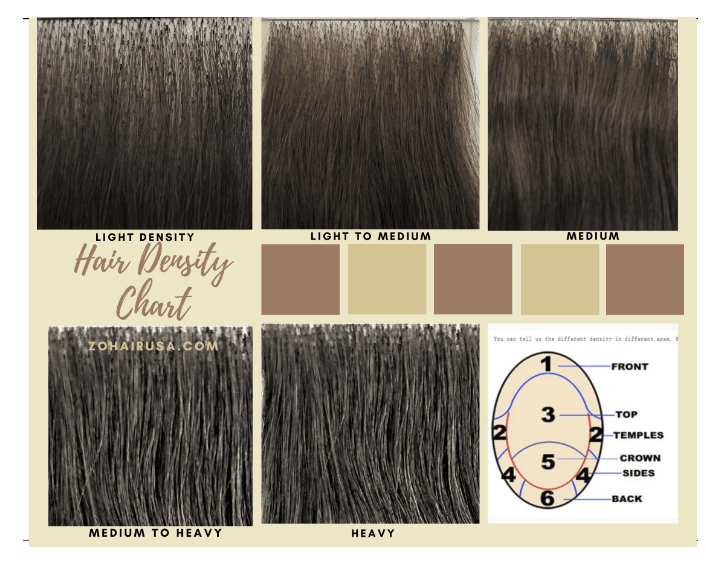
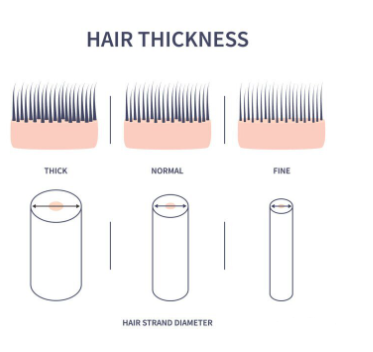
“Density” and “Thickness” might sound like the names of a hip-hop duo on a mission to uncover hair secrets. In reality, they’re two terms that can send hair care aficionados spiraling into confusion! Picture hair density as the enthusiastic crowd at a concert. It’s all about how many strands are grooving on your scalp.
Joyful Rhythms: A Colorful Character in Harmony


Meanwhile, hair thickness is like the bouncers at a club.
Determining the weight of each strand is essential! You have three VIP levels to choose from: fine, medium, and coarse – a luxurious buffet selection for your scalp!
Don’t stress over counting every single strand as if it were a guest list for a party. It’s more important to consider the thickness of those little party animals. Just let them enjoy themselves!
Want to play a game of “Scalp or No Scalp”? Grab a big handful of your fabulous hair and give it a tug to the side. If your scalp pops into view like an uninvited guest at a party, congratulations—you’ve got thin hair density! If you see a bit of scalp peeking through, it’s trying to join the fun. This means you’re rocking medium density. But if your scalp is doing a stellar job of hiding, then applaud yourself. You have achieved thick density!
Genetics primarily determine hair porosity, texture, thickness, and density. Similarly, my cooking skills come from my family’s secret recipes. However, these genetic traits can be influenced by hair care practices. This is similar to how a bad haircut can influence your self-esteem overnight. Environmental factors also play a role. Let’s be honest, even your hair has a breakdown when it faces humidity. Or it struggles with hat hair!
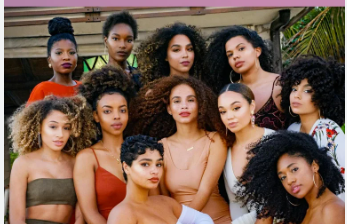
African American hair typically has high porosity. It allows the hair to absorb moisture readily. However, it also causes the hair to lose that moisture quickly. This hair type often exhibits increased fragility and brittleness compared to others. Additionally, it may tend to be drier, as the coiled shape can hinder scalp oils from reaching the tips effectively.

East Asian hair is characteristically straight and silky, exhibiting a fine texture. Its low density and porosity contribute to an appearance that is less voluminous compared to other hair types. Additionally, it exhibits a high resistance to moisture, often making it more challenging to effectively penetrate with conditioning treatments. This hair type typically contains a lower concentration of natural oils, which can render it prone to dryness and breakage.

On the other hand, Caucasian hair exists in a variety of textures. Approximately 45% of individuals have straight hair, while about 40% sport wavy hair, and roughly 15% have curly hair. Typically, this hair type is coarser, thicker, and possesses a higher density, which contributes to its voluminous appearance. Additionally, Caucasian hair often exhibits low porosity, making it resistant to moisture absorption.

Latina hair showcases an incredible array of textures, ranging from straight to wavy, curly, and kinky. This diversity reflects the rich cultural backgrounds of women of Latina descent. Typically, the average diameter of Hispanic/Latino hair lies between that of Asian and Caucasian hair types. Different levels of porosity also require tailored care, and it’s common to experience varying porosity levels within your own hair.
For example, if you’re transitioning to natural hair, your roots might be low or medium porosity. Your ends might be high porosity.

Chemical relaxers and perms are like little hair gremlins. They sneak in and change the porosity of your hair. Excessive heat is another issue. It feels like trying to roast marshmallows with a rocket ship! Certain hair dyes are also in on the action, throwing your hair texture and density on a wild rollercoaster ride. The wild truth is, no matter your race or ethnicity, low porosity hair is just waiting to throw a party. Moisture is strictly RSVP only. It takes forever to get wet! If you’ve been using some sketchy products, a big chop might be calling your name like a siren song. It’s the ultimate reset button for your hair health and a shiny path back to the basics of good care.
Use nourishing and protective products that care for your hair from root to tip. Understanding the density of your hair, along with its porosity and curl pattern, is essential. This knowledge helps you choose the most suitable products for your hair type.
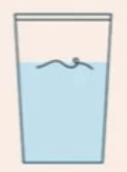
Low-porosity hair should be washed no more than once a week or every two weeks as a general rule. Good shampoo ingredients for low porosity hair include coconut, almond, and avocado. They also include tea tree, spearmint, shea butter, and Argan. Additionally, chamomile, jojoba, aloe Vera, honey, and glycerin are good ingredients. These ingredients help lock in moisture. They strengthen strands and prevent breakage. This is similar to our REST My Natural Coil Hydrating Shampoo & Conditioner.
For low-porosity hair, it’s best to use a deep conditioning treatment, such as a hair mask, to keep it moisturized. Avoid protein treatments. They may not absorb well into low-porosity hair. Protein treatments can build up on the hair’s surface. This buildup makes it stiff and reduces moisture absorption. Ensure your shampoo is free of silicone, Parabens, sulfates, and mineral oil. Avoid other harmful substances as well.
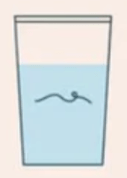
For medium porosity hair, it’s essential to choose gentle, moisturizing products that nourish and protect. Opt for hydrating shampoos and conditioners, and incorporate clarifying products to eliminate any product build-up. A great option is the REST My Natural Coil Hydrating Shampoo, perfect for effectively cleansing while maintaining moisture. Another excellent choice is Mary’s Mint Dandruff Shampoo, which cleanses without removing essential moisture from the hair.
Leave-in conditioners such as our Knot Today Detangler are phenomenal for preserving the right moisture balance in your hair. Curl creams like our Twist This Cream further enhance this maintenance. These products are infused with nourishing oils. These include coconut, Argan, and sweet almond oil. These oils are essential for providing both moisture and protein. Achieving an effective balance of these elements in your hair care routine is crucial for optimal health.

High Porosity hair needs to Moisturize, Moisturize, Moisturize.
Hydration is essential for high-porosity hair. To lock in moisture and prevent water from escaping the cuticles too quickly, use leave-in conditioners and hair oils. Regular moisturizing helps maintain elasticity and reduces dryness and frizz. Due to the highly raised cuticles in this hair type, moisture is absorbed and lost rapidly.
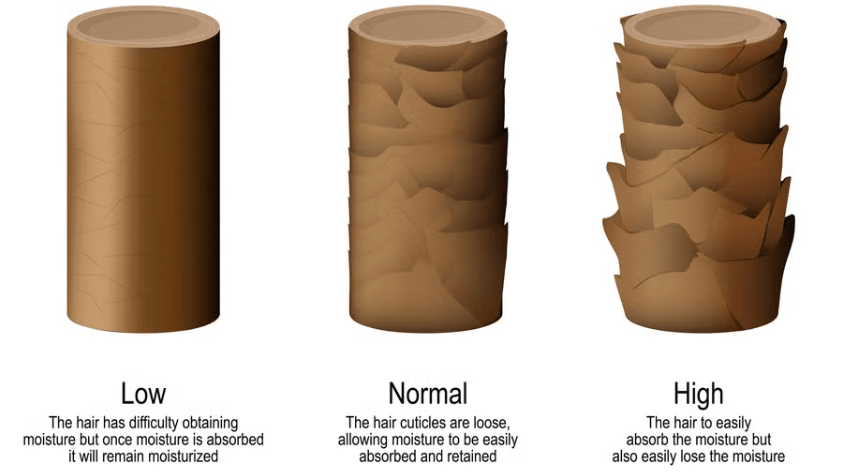
Individuals with high porosity require a significant amount of moisture. They also need to incorporate protein into their hair care routine. Hair consists of a protein called keratin. Using protein treatments can help fill in damaged areas of the cuticle. This smoothing process can create a protective layer over the hair shaft. It’s important to use sealing products that keep water from leaving the hair shaft.
The liquid, oil, and cream method is excellent for hair care. First, hydrate the hair with water. Next, seal in the moisture with oil. Finally, smooth the cuticles with a cream. We recommend trying REST Healthy Hair Butter Cream. Add a few drops of our Hair Growth Oil for optimal results.
“People with high-porosity hair should try to limit heat and chemical treatments. These can further damage cuticles, making it even harder for your hair to retain moisture and nutrients. Shampoos and conditioners with butters and oils work best to add extra moisture. Try REST My Natural Coil Line. If you’re always on the go, try our fantastic-smelling 2 oz travel-size Knot Today Detangler.”
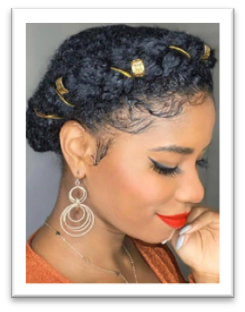
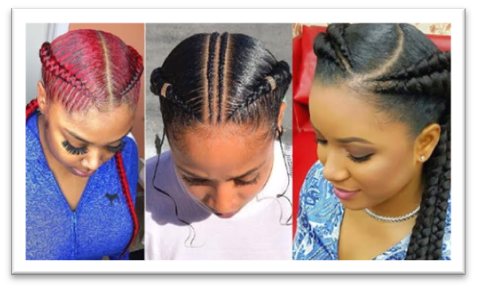
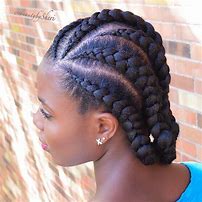
Styling options that are cute, comfortable, and low-tension make excellent alternatives for all hair types! Protective hairstyles, which keep hair tucked away with minimal manipulation from environmental factors, are essential. Styles such as braids, twists, and updo’s effectively minimize exposure to damaging elements. These environmental factors can lead to hair damage and breakage.
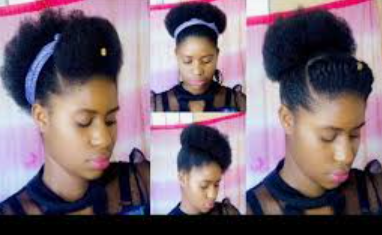
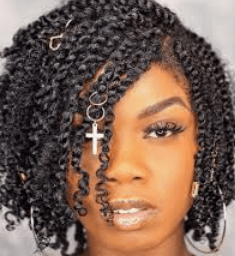


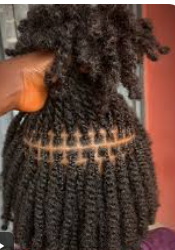
Moreover, when given the royal treatment, protective styles can be like a cozy blanket for your hair. They keep moisture tucked in. This helps in avoiding the dreaded friction battle between strands. Crafting the perfect hair care routine is like finding the Holy Grail of curl management. Let’s face it. If you can keep your hair happy, you can conquer the world. You can do it one fluffy curl at a time!
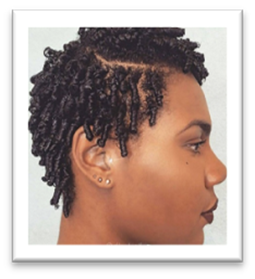
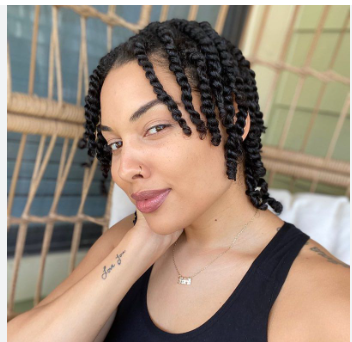
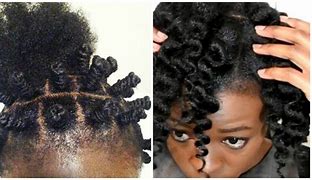
This gives you the chance to admire your hair like a fine work of art. Who knew those curls could be so worthy of a gallery showing? You’ll really appreciate them when they’re healthy, strutting around like they’re ready for a hair model audition. Healthy curls? Oh yes, they’re basically the royalty of the hair world!
I hope you found this blog post enjoyable and insightful! If so, please take a moment to like, rate, and share it with others.
#BlackHairCare #NaturalHair #AfroHair #BlackHair #NaturalHairCommunity #ProtectiveStyles #BlackHairProducts
Please😁 Like, Subscribe📬 & Share 🗣
Rate this Blog


Leave a Reply